Western Red Cedar

A naturally durable softwood chosen for exterior applications where longevity, stability, and appearance matter.

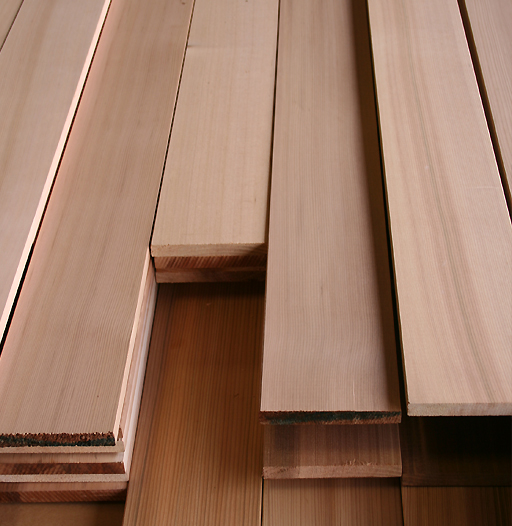
Western Red Cedar is widely specified for exterior applications due to its natural durability, dimensional stability, and timeless appearance. Its straight grain, light weight, and workability make it well suited for cladding, siding, soffits, and other exposed architectural elements.

At Oregon-Canadian, Western Red Cedar is carefully selected and remanufactured with a focus on grade quality, finish integrity, and long-term performance. Our disciplined manufacturing approach helps preserve the natural character and beauty of the wood while supporting clean installation and lasting results across a wide range of exterior applications.

Architectural-Grade Material
Clear & Vertical Grain Options
Interior & Exterior Applications
Precision Milling

Available in standard architectural patterns and custom profiles designed for exterior performance.

Species Snapshot

Common Name: Western Red Cedar
Scientific Name: Thuja plicata

Typical Appearance

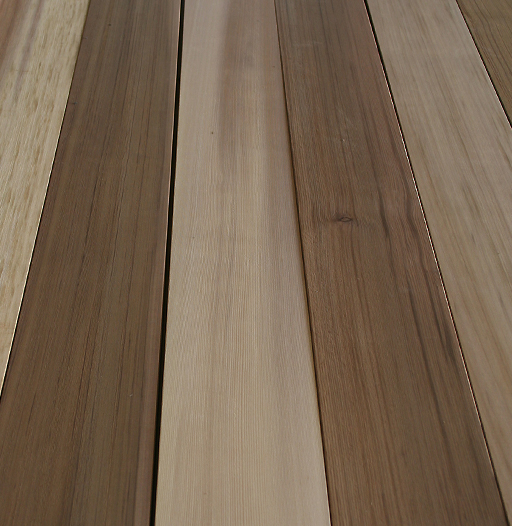
  • Color ranges from light reddish-brown to deeper russet tones
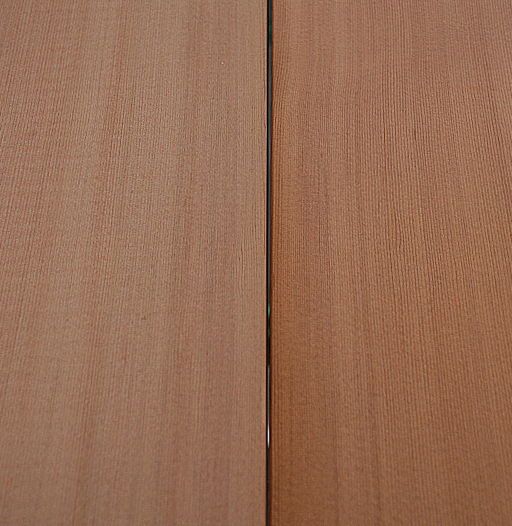
  • Straight, even grain with a soft, uniform texture
  • Weathers naturally to a silver-gray patina when left unfinished


Grain Characteristics

  • Typically straight grain with low density
  • Vertical grain options provide improved stability and a more uniform appearance
  • Fine texture supports clean machining and crisp profile


Primary Uses

  • Exterior Cladding and Siding
  • Soffits and Overhangs
  • Rainscreen Assemblies
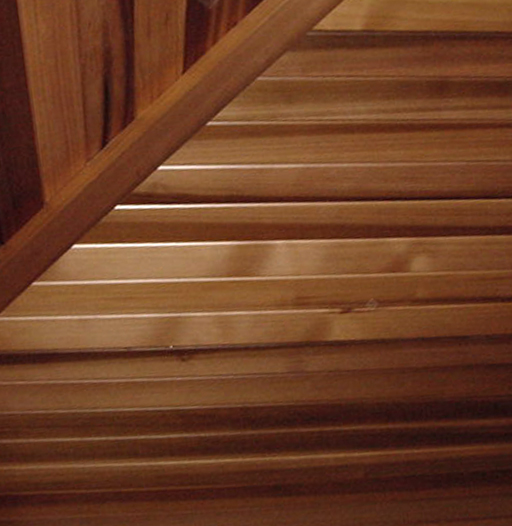
  • Interior Ceilings, Wall Treatments, and Accents


Performance Highlights

  • Naturally resistant to decay and insect activity
  • Lightweight and dimensionally stable
  • Performs well in exposed exterior conditions and controlled interior environments when properly specified


Grades & Grain Structure 

Industry Grading Standards

Western Red Cedar lumber grades are established using recognized softwood grading rules published by:

  • West Coast Lumber Inspection Bureau (WCLIB)
  • Western Wood Products Association (WWPA)


These standards define allowable characteristics such as:

  • Knots size and distribution
  • Grain characteristics
  • Wane, checks, splits and other natural features
  • Structural and appearance classifications


These rules establish minimum grade requirements. OCFP selection, remanufacturing, and appearance standards often exceed those minimums.

Appearance Grades

Clear Grades

  • Minimal knots and visual interruptions
  • Uniform appearance and clean finish


Commonly specified for:

  • Exterior cladding and siding
  • Soffits and overhangs
  • Interior ceilings and wall treatments

Knotty/Character Grades

  • Visible knots and natural variations
  • More expressive, textured appearance


Often chosen for:

  • Applications where visual warmth and natural character are desired


Grain Structure

Vertical Grain (VG/CVG)

  • Tighter, more uniform grain pattern
  • Improved dimensional stability


Often preferred for:

  • Soffits
  • Exterior siding and cladding
  • High-visibility interior applications

Flat Grain

  • Broader grain pattern with slightly more visual variation
  • Slightly more movement than vertical grain


Often selected for:

  • Interior accents
  • Applications where character is part of the design intent

How OCFP Approaches WRC Selection 

At Oregon-Canadian, Western Red Cedar is selected with an emphasis on:

  • Appearance consistency across boards
  • Grain orientation appropriate to exposure conditions
  • Profile integrity for exterior and interior applications

Profiles, Patterns and Product Forms 

Western Red Cedar is supplied in forms suited for both exposed exterior conditions and controlled interior environments.

Featured Profiles & Patterns

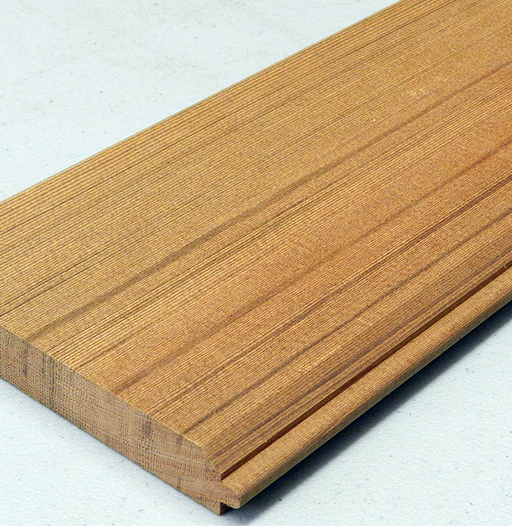
Available in various Tongue & Groove (T&G) or Shiplap profile options. Core offerings are available across species. Additional profiles are available upon request.

Most Common Sizes

Most Common Profiles

1x4 - 1x12

V-Groove (V-Joint, WP4, WC-200)

2x2 - 2x12

Nickel Gap / Channel

3x3 - 3x12

Center Match

4x6 - 4x12

Bead Board

Most Common Sizes

1x4 - 1x12

2x2 - 2x12

3x3 - 3x12

4x6 - 4x12

Most Common Profiles

V-Groove (V-Joint, WP4, WC-200)

Nickel Gap / Channel

Center Match

Bead Board

Standard Forms 

  • Roughsawn
  • S2S (Surfaced Two Sides)
  • S4S (Surfaced Four Sides)
  • Precision-Milled Custom Patterns

Custom Milling Capabilities 

Western Red Cedar’s workability makes it well suited for custom remanufacturing, including:

  • Exterior cladding systems
  • Profile matching for additions or phased projects
  • Interior accent applications requiring visual continuity


At Oregon-Canadian, custom milling is handled with precision—supporting predictable
installation and long-term performance.

Availability Note

  • Availability may vary by grade, grain orientation, and profile
  • Sales coordination is recommended for project-specific needs

Performance & Technical Characteristics

Technical Overview

Characteristic

Western Red Cedar

Strength-to-weight

Moderate

Dimensional stability

Very good

Hardness (Janka)

~350 lbf (soft)

Natural decay resistance

High

Workability

Excellent; machines easily

Finish acceptance

Accepts stains and coatings well

Moisture condition

Kiln-Dried (KD)

Kiln-Dried (KD) Moisture Content 

Western Red Cedar is commonly supplied kiln-dried to support stability and performance in both exterior and interior applications.

  • KD (General): ~12-15% MC
  • Exterior applications: moisture content should align with exposure conditions and detailing
  • Interior applications: often targeted toward the lower end of the KD range

Durability & Exterior Performance

  • Naturally resistant to decay and insect activity
  • Performs well in exposed conditions without chemical treatment when properly detailed
  • Frequently specified for siding, cladding, soffits, and rainscreen systems


Important framing:
Cedar’s durability is intrinsic to the species, but detailing, drainage, and finish systems still matter.

Dimensional Stability & Grain Orientation

  • Low density contributes to good dimensional stability
  • Vertical Grain (VG/CVG):
    • Improved stability
    • More uniform appearance
    • Preferred for exterior siding and soffits
  • Flat Grain:
    • More visual variation
    • Slightly more movement than VG
    • Often used for interior accents or expressive designs

Interior Performance

  • Suitable for interior ceilings, wall treatments, and accents
  • Soft texture supports warm, tactile finishes
  • Performs predictably in controlled interior environments

Machining & Installation Performance

  • Lightweight and easy to machine
  • Holds fasteners well when properly specified
  • Supports precision remanufacturing and clean profile definition

Environmental & Specification Consideration

  • Coordination with supplier and installer recommended for project-specific requirements
  • Performance influenced by:
    • Grain orientation
    • Moisture content
    • Exposure conditions
    • Finish and maintenance approach

Finishing Guidance

Western Red Cedar accepts a wide range of finishes and can also be left unfinished depending on design intent.

Exterior Applications

  • May be left unfinished to weather naturally to a silver-gray patina
  • Commonly finished with penetrating stains or coatings to:
    • Slow color change
    • Reduce surface checking
    • Establish a predictable maintenance cycle


Finish performance depends on:

  • Exposure (sun, moisture, orientation)
  • Surface preparation
  • Maintenance intervals


Interior Applications

  • Clear or lightly pigmented finishes highlight cedar’s warmth and texture
  • Performs well in climate-controlled environments with minimal maintenance


Weathering & Appearance Over Time

  • Unfinished exterior cedar will weather evenly when properly detailed
  • Color change is expected and should be considered part of the design
  • Regular maintenance extends finish life and appearance consistency

Installation Considerations

Acclimation

  • Allow material to acclimate to interior jobsite conditions prior to installation
  • Acclimation helps reduce movement and finish stress


Fasteners

  • Use corrosion-resistant fasteners appropriate for exterior exposure
  • Fastener choice should align with finish system and environmental conditions


Detailing

  • Proper spacing, ventilation, and drainage are essential—especially for exterior use
  • Rainscreen assemblies are commonly used to support long-term performance


Maintenance Expectations

  • Periodic inspection and re-coating help preserve appearance and performance
  • Maintenance requirements vary by:
    • Finish type
    • Exposure
    • Orientation and climate

Sustainability, Sourcing & Compliance

Responsible Sourcing

Western Red Cedar is a renewable softwood species native to the Pacific Northwest and western North America. When responsibly managed, cedar forests support long-term availability and material performance well suited for exterior and interior architectural use.

At OCFP, Western Red Cedar sourcing is guided by:

  • Long-standing supplier relationships
  • Consistent material quality and traceability
  • Respect for the forests and communities we source from


Stewardship & Material Responsibility

Wood is a natural, renewable material that—when used thoughtfully—supports durable, long-lasting construction.

Western Red Cedar is often chosen for:

  • Warm, refined applications where natural character and texture are valued
  • Dimensional stability and lightweight performance across interior and exterior uses
  • Compatibility with designs that emphasize organic appearance, durability, and long-term use


Certification & Chain of Custody

Certification and chain of custody documentation may be available based on supplier and project requirements.
Please coordinate with our team to confirm availability for specific orders or project specifications.

Regulatory & Specification Considerations

  • Western Red Cedar grading follows recognized industry standards
  • Specifications should reflect exposure conditions, detailing, and finish requirements
  • Export or project-specific requirements should be coordinated with sales in advance

Project & Inspiration Gallery

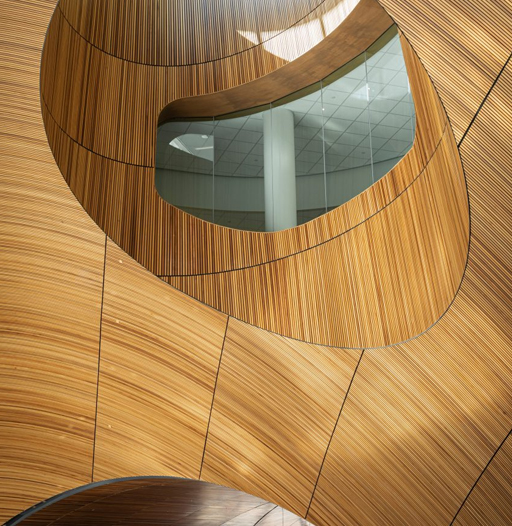
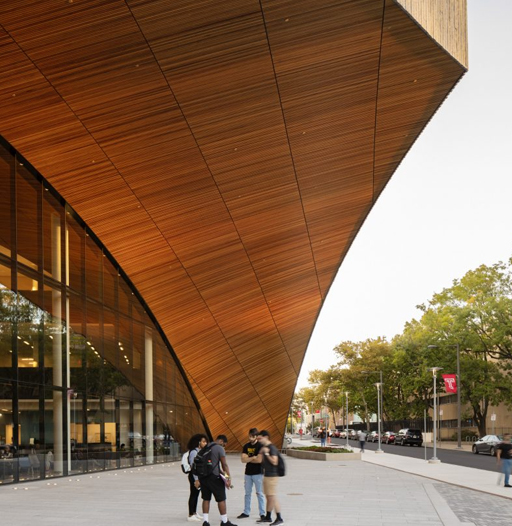
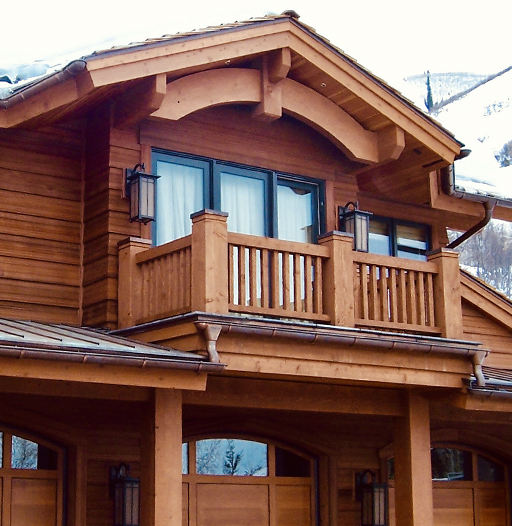
Western Red Cedar is frequently specified for exterior architectural applications where durability, stability, and appearance must work together over time. Its natural resistance to decay and predictable weathering make it a trusted choice for exposed conditions, while its warmth and texture also translate seamlessly to interior use.

When properly detailed and specified, Western Red Cedar supports exterior assemblies designed to perform and age gracefully. Its ability to transition from exterior to interior applications makes it a versatile choice for projects that value material continuity and long-term presence.

Our role doesn’t end at supply. We work alongside our partners to ensure the material specified is the material delivered— consistently, precisely, and without surprises.